After "The Awakening of Insects" was raised high and brought down with force,蕉下 did not give everyone a chance to wait, but instead began a密集 series of new brand initiatives.
On March 30,蕉下 officially announced Jay Chou as its brand ambassador, and on April 3, during蕉下's Tmall Super Brand Day, it released its second brand film—"All the Suns"—produced by Qunyushan.
Compared to the grand and imposing momentum of "The Awakening of Insects," "All the Suns" adopts a far more delicate and refreshing style.
The vocalists shifted from Tan Weiwei to房东的猫, transitioning from the thunderous emergence of spring's awakening to the delicate romance of "Life is but 100 summers; embrace the blazing sun."The stylistic leap between蕉下's two films seems to be a deliberate, ongoing effort to break the public's and the industry's existing perceptions of the brand.
Given that this is intentional, it becomes a topic well worth exploring: Why "All the Suns"? Why a love story built around a sun-protection garment as its central thread?
In the story of the sun-protection garment,蕉下 made a significant choice.
Just as the featured product in "The Awakening of Insects" was the "Lightweight All-Terrain Outdoor Shoe," "All the Suns" also has a product protagonist—蕉下's "Lightweight 'Extreme Sun Exposure' Sun-Protection Garment."
Open any product page for sun-protection gear, and you are greeted with functional selling points such as "SPF 50+," "Blocks 99.91% of UV rays," and "Armored to the Fingertips."
In people's subconscious, sun protection is a strongly defensive concept—it is about shielding oneself from the harm caused by the sun. Humans and the sun are cast in an adversarial relationship, requiring full gear to do battle.
Consequently, when it comes to filming an advertisement for sun-protection products, the most common template emerges: "The sun is fierce; you need protection."
It is precisely because of this mainstream mindset that蕉下's film strikes us as intriguing, for this story, which revolves entirely around the sun-protection garment,features lyrics in the background that express love for the sun:
"The sun hanging atop the mountain, the sun falling into your eyes, the sun held in your palm, the sun placed close to your chest;
The sun that listens to me sing, the sun that wanders with me, the sun hiding behind the clouds, the sun that secretly watches me;
The sun that holds us in its embrace, the sun that makes our heads spin with heat—life is but 100 summers; embrace the blazing sun."
Near the end of the film, there is a frame that, in BrandStar's view, is the most pivotal of the entire piece—

"In 2017,蕉下 began designing its first sun-protection garment, never expecting it to become so popular. Over the years, having witnessed countless blazing stories under the blazing sun, we came to understand:We wear sun-protection garments not because we fear the sun, but because we want to embrace it."
When the film's tone shifts from "avoiding the sun" to "embracing the sun," it signifies that蕉下 has redefined the role of the sun-protection garment—
Is it a piece of defensive equipment to evade the scorching sun, or a safety net that allows people to embrace it?
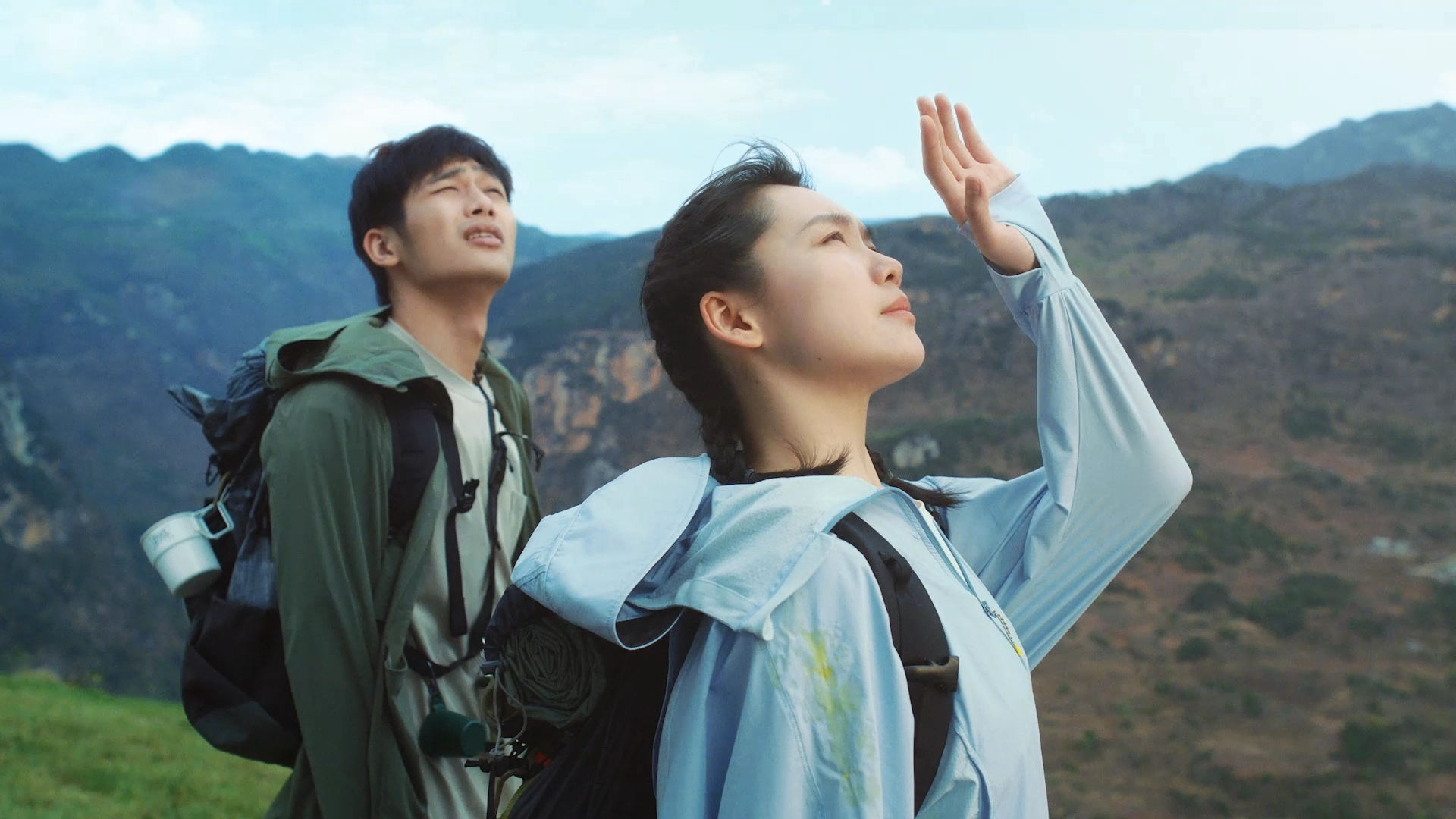
Objects themselves are neutral, but concepts can imbue them with positive or negative connotations. This choice is like a fork in the road:Turning left or right is precisely what distinguishes the path a brand chooses to take, as well as the users it will attract in the future.
When蕉下 defines the sun-protection garment as something that allows you to safely "embrace the sun," it means that at this critical moment,蕉下 has chosen not to build its brand on "fear" and "anxiety," but on "love" and "joy."
蕉下 is well aware that intensifying the anxiety of "avoiding the sun" may yield short-term business gains, but for brand building, it is "a path that grows ever narrower,"because "avoidance" can only lead to isolation and insularity.
But "embracing the sun" is about love and joy, leading toward connections between people and between people and nature—toward exploring the beautiful outdoor world.
This is precisely the social role蕉下 seeks to define for its brand—the "wall-breaker"—by championing the brand proposition of "Under heaven and earth, shoulder to shoulder," and leveraging its products, brand spirit, and offline community activities to help dismantle the walls between people and between people and the outdoors, fostering positive connections.
From the perspective of long-term brand development, the choice of "embracing the sun" is a broader and more expansive positioning that opens up brand possibilities.
Why love? Why can't it be love?
With the overarching direction set, the next step concerns how to express it.
Before watching the video, there were many intuitive speculations—perhaps蕉下's second film would be about "lightweight outdoor" scenarios? Maybe an elaboration on "Under heaven and earth, shoulder to shoulder," or a story of friends camping together?
Indeed, it came as a surprise: this is a love story about the flutter of the heart.
After the first viewing, we were still somewhat curious—aren't outdoor brand films supposed to depict the grandeur of nature, self-exploration, and self-fulfillment? It was almost unimaginable that an outdoor brand would produce such an "intimate" love story.
Upon asking this question, we suddenly realized,Why can't it be love?
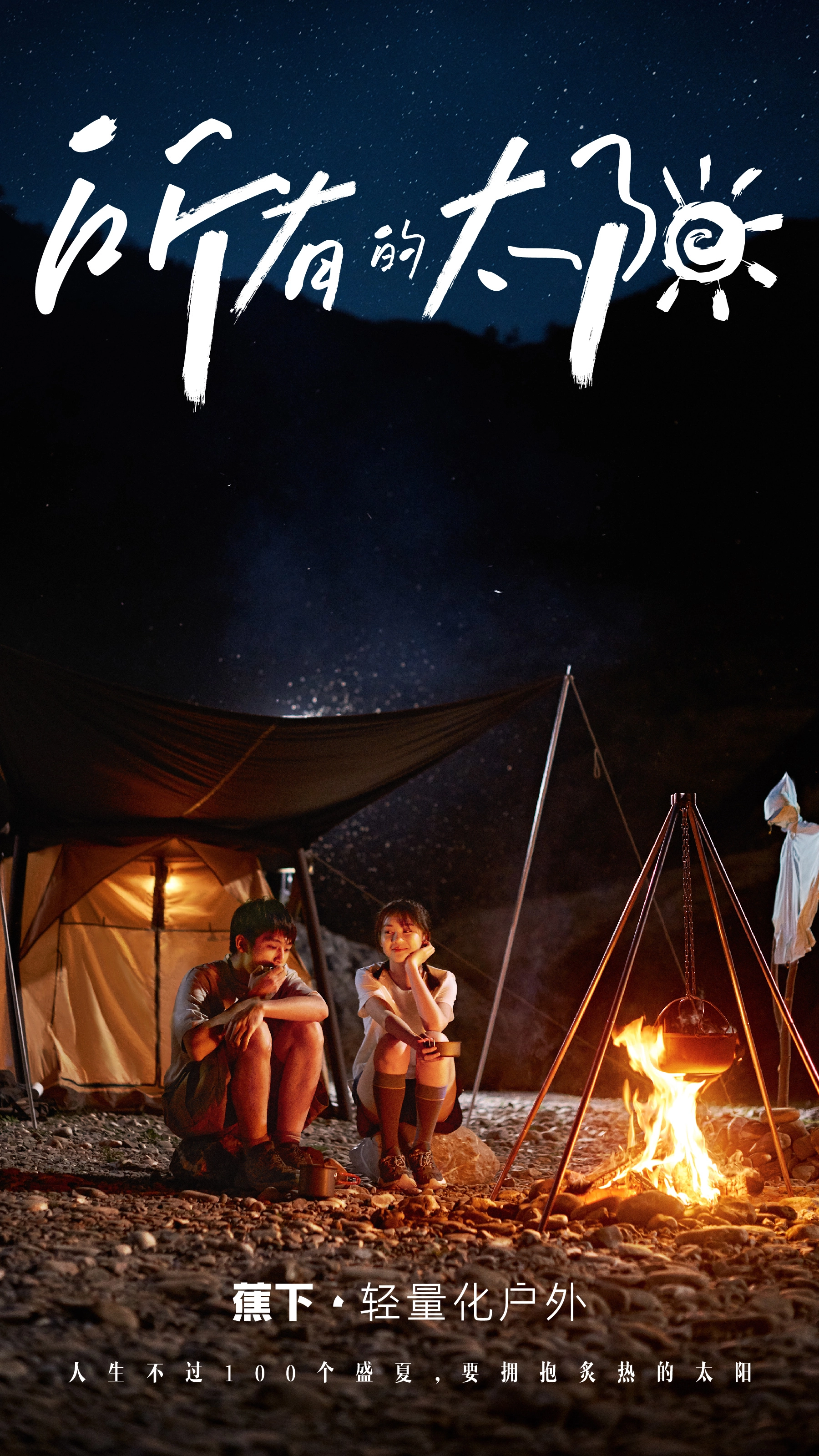
As mentioned in the previous article, the "lightweight outdoor" activities蕉下 seeks to define are extremely light and effortless—a mindset that requires no threshold to set out.
What蕉下 focuses on is not humanity's confrontation with and conquest of nature, but the connection between people and the connection between people and nature.
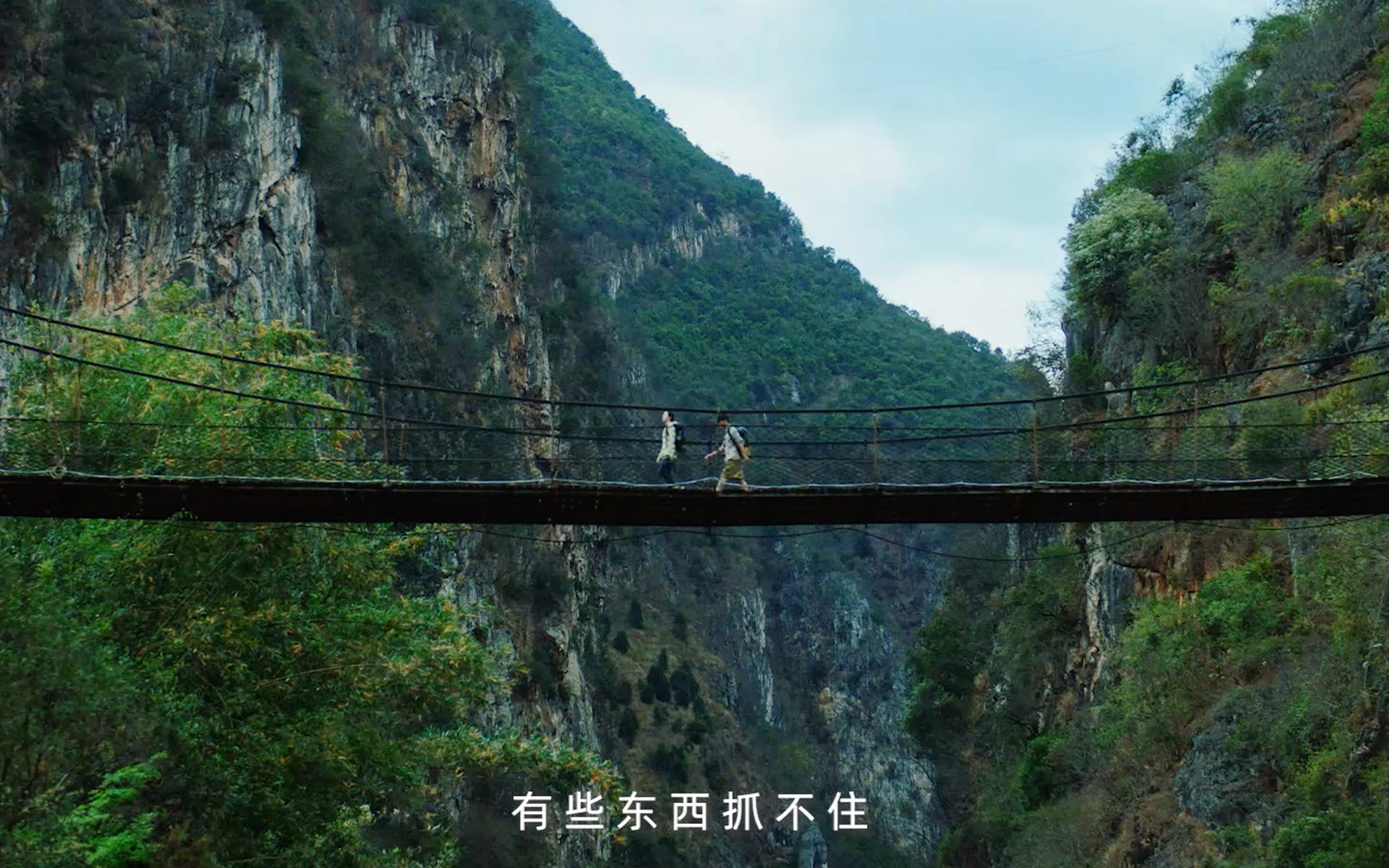
"All the Suns" depicts a very brief, small journey—just one day and one night. By the next day, the protagonists find their way, board a rural bus, and return to the city.
Throughout the journey, there is no wilderness survival—only open, expansive natural scenery. The protagonists carry no complex gear, only a lighthearted, minimalistic mindset.
The story does not set up "challenges" for them; even finding their way is done with ease, so the focus instead falls on the subtle shifts and advances-and-retreats in the dynamic between the two characters.
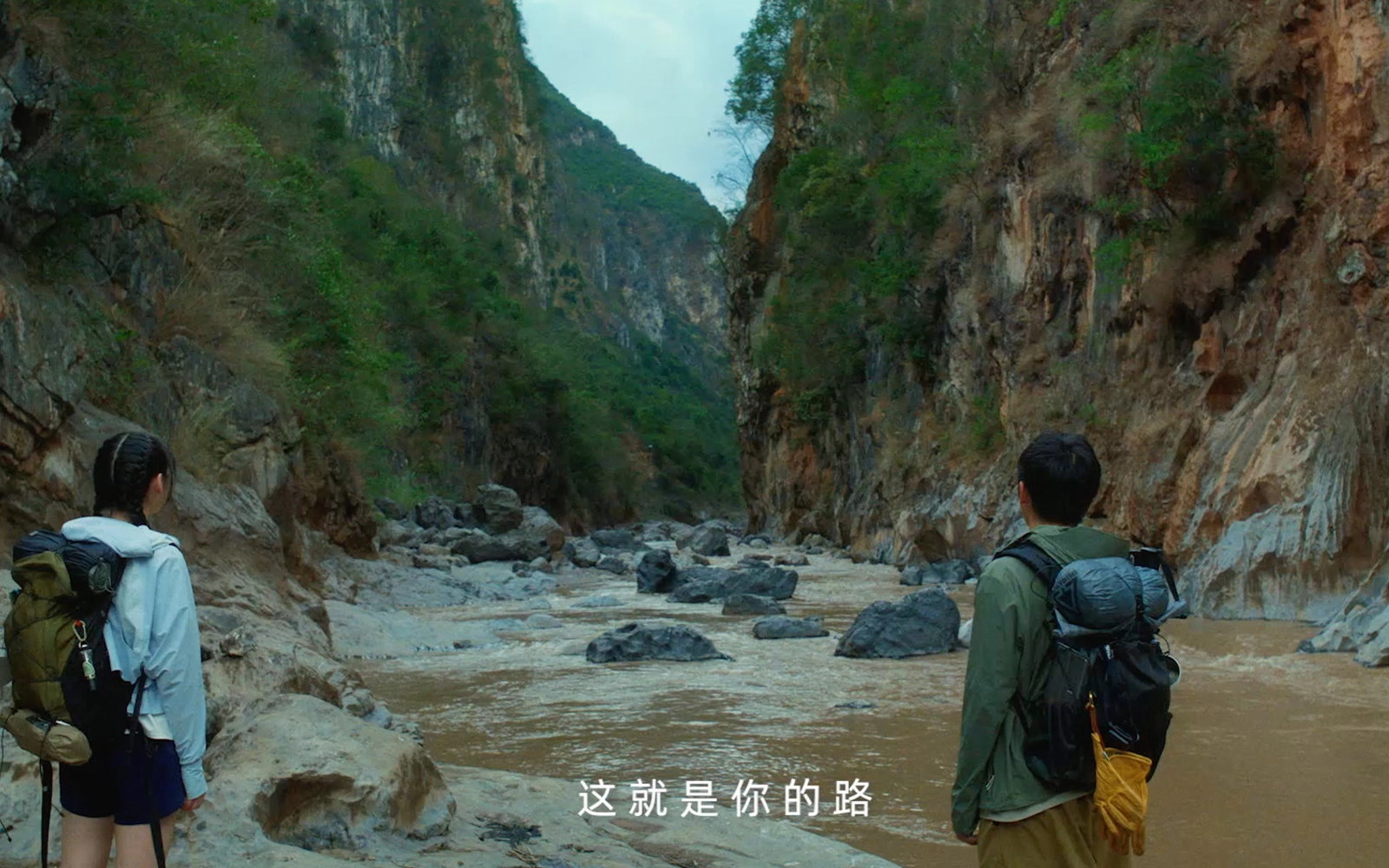
The man and woman stumble into getting lost together by accident. The woman moves from initial complaints and wariness to laughing joyfully together—the barriers of urban social isolation gradually dissolving in nature.
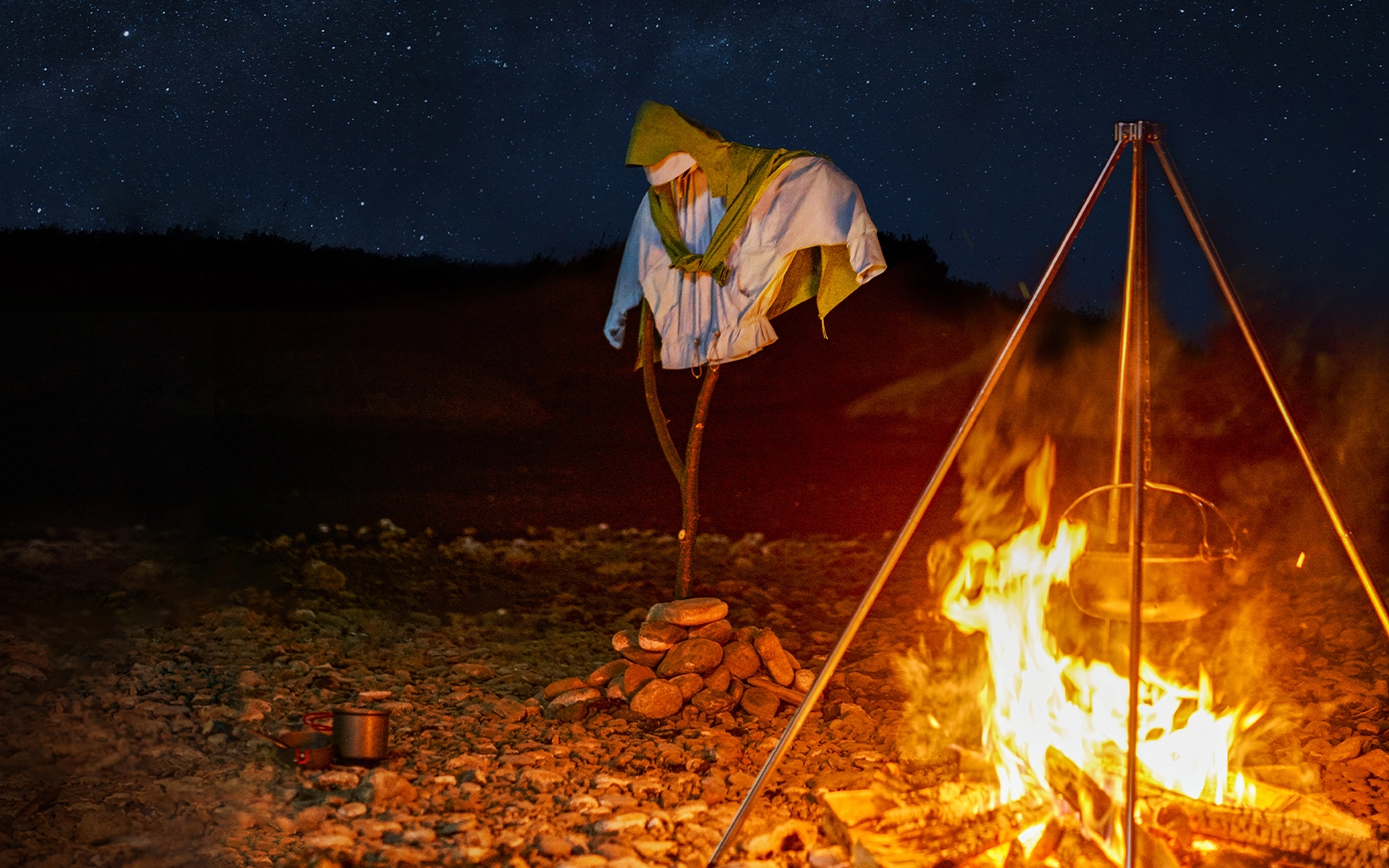
But that night at the campsite, when the woman sees the man arranging the sun-protection garment into the shape of an embrace, and as their relationship seems poised to take a step forward, she instead retreats.
So she lets "the garment be blown away by the wind," and the next day, she deliberately parts ways with the man.
Yet, in her heart, she still feels sad, still feels a sense of cowardice.
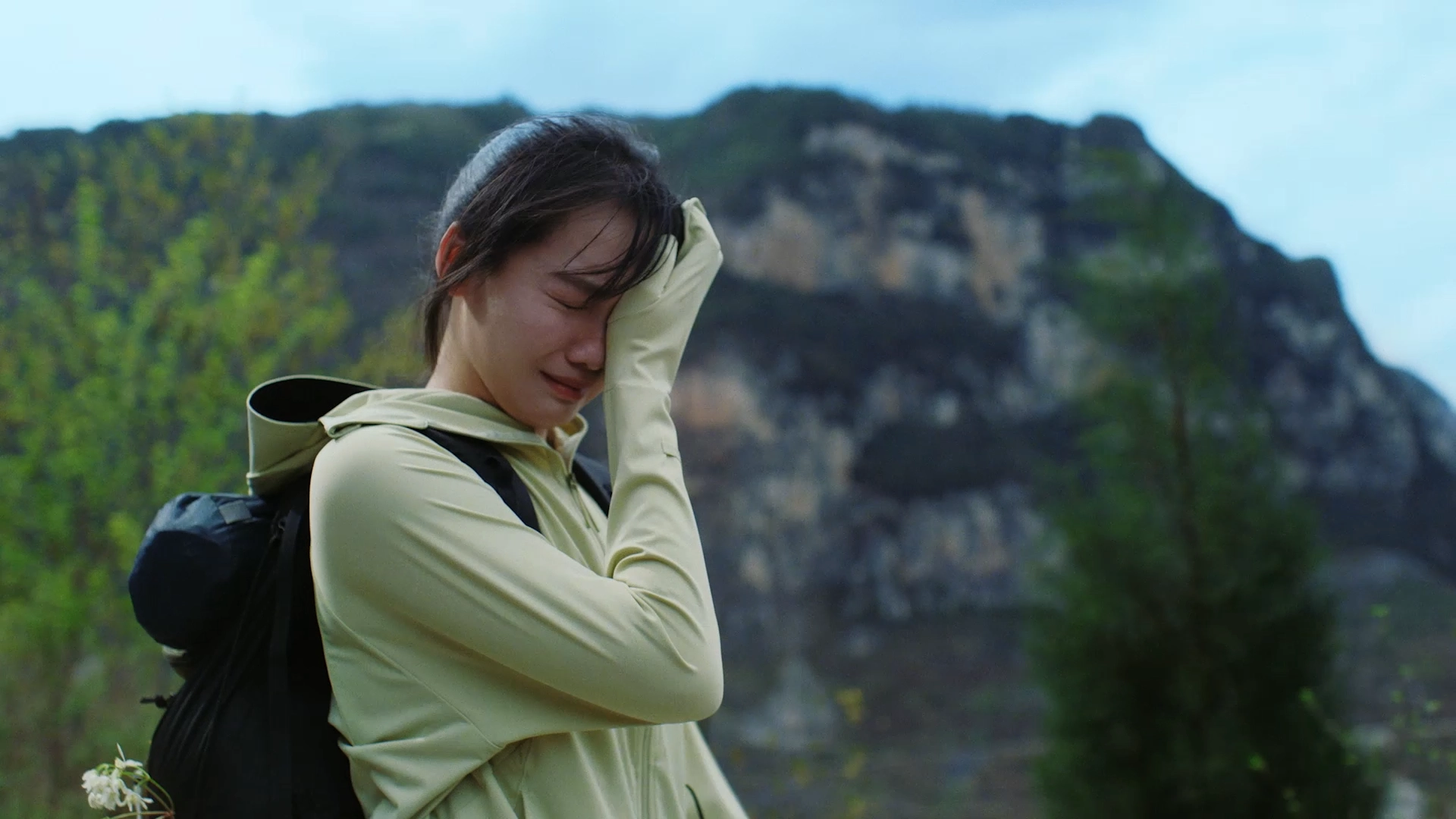
Perhaps everyone has experienced this subtle feeling at some point:What city life teaches us is that this kind of throbbing is unknown and dangerous, yet our nature cannot deny its allure, because we know it is extraordinary—a fervor that transcends the mediocrity of everyday existence.
This story is less about love and more of a universal tale about young people in the city.
So what does the outdoors truly mean to today's urban youth?
It may no longer be a trial of self-discipline, but rather a "variable" that breaks through the monotony of urban life—a connective space that bridges the isolated distances between people.
The outdoors and nature imbue everything with a sense of "magic." Correspondingly, at the end, when the young man and woman return to the city, they lose their "luster" and become as ordinary as the rest of us.
Fortunately, Beneunder has chosen the broad path of "embracing the heat."Thus, at the end, the protagonists reunite because of the sun-protective clothing. This time, hopefully, they are both ready.